I once watched a closing fall apart over the one problem nobody worried about. Not the roof. Not the water heater. The deck, because two lenders flagged it and one buyer’s insurance agent wouldn’t write a policy on it. That’s how mobile home repairs tend to play out in this state. The small thing you ignored becomes the reason a buyer walks, and the expensive thing you dreaded turns out to be negotiable. I’ve bought homes across Texas parks and private lots for years, and the sellers who lose money are rarely the ones with the worst condition. They’re the ones who guessed at what mattered.
You’re also in a big market. The Census Bureau counted 17,458 new manufactured homes shipped to Texas in 2025, more than any other state. You’ve likely got more leverage than you’re using.
What Are My Options for Selling a Fixer-Upper House?
“If I don’t fix it first, buyers will lowball me into the ground.” I hear that one constantly, and it’s half right. Yes, a buyer prices in condition. Still, a seller who spends eight months and real cash on mobile home repairs usually doesn’t get that money back in the sale price. Space rent, insurance, and utilities keep running the whole time.
You’ve got four realistic paths. Listing with an agent who knows manufactured housing works when the home is financeable and the park approves buyers quickly. A for-sale-by-owner sale saves commission, though the TDHCA paperwork lands on your shoulders. Seller financing brings in buyers who can’t qualify for a chattel loan, and now you’re the lender collecting payments for years. The fourth path is a cash sale to a direct buyer who handles the mobile home repairs after closing, and most sellers never run those numbers.
Demand works in a seller’s favor here. Texas buyers keep choosing manufactured housing, and a used home costs far less than a new one off the lot. That price gap keeps existing homes (even tired ones) in demand. A stack of needed mobile home repairs doesn’t erase that.
A while back I worked with the adult children of an elderly homeowner in Waco. Their dad had moved in with family, and then a job transfer gave them five weeks to leave the state. His garage was packed with woodworking tools, and the swamp cooler hadn’t run since the previous summer. We closed before their moving truck left, and they didn’t touch a single repair. If that sounds like your situation, you can sell your mobile home for cash and leave the repairs for the buyer to handle.
If you’ve got six months and a financeable home, list it. With five weeks, the math changes completely.
Can I Sell My House As-is Without Making Repairs?

For years I told sellers that “as-is” was a magic phrase that ended their obligations. I was wrong. As-is describes the condition you’re selling in. It doesn’t cover known defects you keep quiet about, and it won’t stop a buyer’s lender from refusing the loan.
So yes, you can sell without making mobile home repairs, and cash buyers and investors close these transactions every week. What changes is your buyer pool. A chattel lender will often decline a home with an active roof leak, damaged floor joists, or wiring that doesn’t meet current standards. Financed buyers drop out, and you’re left with people paying cash.
Disclosure still applies. If you know the heater doesn’t work, write it down. A seller who hides a known defect invites a fight after closing, and whatever you saved by staying quiet disappears fast.
Don’t grab the first cash offer either. Get two or three, and compare them on net proceeds rather than headline price.
One pattern I keep seeing: sellers who disclose everything up front get cleaner offers than sellers who let a buyer find problems during inspection. Full disclosure takes away the buyer’s excuse to renegotiate three weeks in.
Your park gets a say too. Many Texas communities screen a buyer who plans to live in the home before they approve the new resident. Ask what the park will expect, because that answer shapes which mobile home repairs you can skip and which ones a buyer will have to handle right away.
At Jeff Buys Mobile Homes, we handle these mobile home repairs regularly in Texas parks, and we’ll tell you straight whether your home fits a cash offer or a listing.
Which Repairs Are Worth Doing Before You Sell?
A seller in San Antonio called me about a 1978 single-wide with soft spots in the hallway floor and a 20-year-old HVAC system. She’d gotten a $26,000 bid to make it “market ready” and was about to sign.
We walked it together. The floor needed attention, since a buyer could feel that safety problem underfoot. Her HVAC was old but still running, and replacing it would never return its cost at that price point. She spent about a tenth of the bid and sold.
That’s my rule: fix what blocks a loan or scares a buyer in the first ninety seconds. Skip everything else.
Loan blockers come first. Roof leaks, water intrusion, missing skirting, unsafe steps, and dead smoke or carbon monoxide detectors all show up on lender and park checklists. Detectors matter, too. Inspectors and park managers look for a working smoke detector and carbon monoxide detector. Detectors are cheap, and a missing one makes the whole home look neglected.
Water under a manufactured home ruins subfloor and insulation, and a buyer who spots staining assumes the worst about your mobile home repairs.
What I’d leave alone: kitchen remodels, new flooring throughout, window replacement, and cosmetic siding work. Those mobile home repairs run into five figures, and buyers discount them anyway because they have their own taste.
Roofs, floors, plumbing, and the supports under the home are where costly problems hide. Put your attention and your budget there.
One more: if your home sits on a permanent foundation and you want it treated as real property, the foundation work isn’t optional. Otherwise you’re selling personal property, which is a different transaction entirely.
What Quick Upgrades Help Sell Your Home Fast?
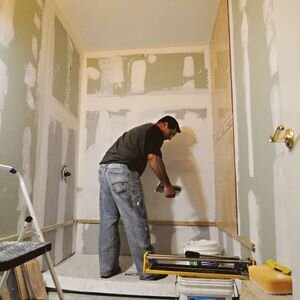
A weekend of cheap fixes will usually draw more buyer interest than a big contractor invoice.
Paint does most of the work. Interior walls in a flat warm white make a 1,100 square foot double-wide feel like a different home, and fresh paint on the skirting and trim does the same from the street. Buyers walking a Texas park on a Saturday afternoon are comparing several homes, and the clean one wins.
Light comes next. Swap dim fixtures, replace yellowed switch plates, and pull down heavy drapes.
Deep cleaning beats renovation almost every time. Grease on kitchen cabinets reads as neglect, and neglect makes buyers wonder what else you ignored.
Outside, trim back overgrowth and clear the carport.
I’d push back on one piece of common advice: staging with rented furniture. In manufactured housing, that’s usually wasted money. Buyers in this market care whether the floors are solid and the air conditioning works. Empty and clean beats furnished and cluttered.
What about the deferred mobile home repairs you’re not going to make? Price them in and say so plainly. Silence sounds like hiding something, while a seller who says “the water heater is original and I’ve priced accordingly” sounds credible.
Do you know what your park’s appearance rules require? Plenty of Texas communities set standards for skirting, awnings, and driveways, and a violation notice in your file complicates a sale. Ask the office for a written list.
Small mobile home repairs often pay off well: new cabinet hardware, a front door handle set, fresh caulk around tubs and sinks, and window screens that actually work. None of them costs much.
How Much Is My Mobile Home Really Worth?
Most sellers overestimate their home, and park gossip is a big reason why. What actually sets value is sold data from your own community, and that’s harder to find than it should be, because many park sales never show up in the MLS.
Some context helps. New manufactured homes averaged $134,800 nationally in April 2026, per Census Bureau data, and a used Texas home that needs work will usually land well under that.
Three things drive your number: the park’s space rent, the home’s year and size, and its mobile home repairs. Sellers underestimate how much weight space rent carries. Picture two identical homes in parks charging $1,400 and $700 a month. The first one sells for less, because buyers weigh the total monthly cost.
Lenders look at a manufactured home’s age first. Homes built on or after June 15, 1976 carry a HUD label under the federal code, while older Texas mobile homes were built before those standards existed. Freddie Mac requires a build date on or after that same day, so pre-HUD homes often draw only cash offers.
Ask your park manager for recent sale prices in the community. Then subtract your deferred mobile home repairs at contractor pricing, not at what you think you could do them for yourself. If the repair list runs long, we buy mobile home properties in as-is condition, and that offer gives you one more number to compare.
What Paperwork Do You Need to Sell a Mobile Home?

Texas mobile homes don’t have deeds. Most of them aren’t real estate at all. Unless the owner elected real property status, the home is personal property. The Texas Department of Housing and Community Affairs (TDHCA) tracks who owns it through a Statement of Ownership.
Your packet starts with your current Statement of Ownership or older title, signed by every owner listed on it. Add a completed Application for Statement of Ownership, one tax document, and the $55 issuance fee.
That tax document comes from your county. TDHCA wants a tax statement from the tax assessor collector, or a paid in full receipt, showing no personal property taxes are due for the 18 months before the sale. It has to list the home’s HUD label or serial number.
Timing matters. The application and fee have to reach TDHCA within 60 days of the sale date. Since June 1, 2026, a seller who misses that window owes a $100 late fee. You can download current forms from TDHCA’s Manufactured Housing Division.
Lost your title? It happens more than you’d guess with homes that sat empty for years. TDHCA will issue a new Statement of Ownership when you file a completed application with the fee, so a missing original doesn’t have to stop the sale.
Back taxes trip up sellers with deferred mobile home repairs, since unpaid taxes often pile up alongside deferred maintenance. Any tax lien on TDHCA’s records has to be released by the taxing office before ownership moves cleanly. Your county tax collector can give you your balance and tell you how long a tax statement takes.
How Do You Finance, Price, and List a Mobile Home?
“Can a buyer even get a loan on this thing?”
It depends on the home. A chattel loan treats your home as personal property, which fits a home sitting on rented land. The Consumer Financial Protection Bureau has found that chattel loans generally carry higher interest rates and fewer consumer protections than mortgages. Lenders also set condition standards, and a home with open mobile home repairs often fails them.
List a home that needs work at a number that matches its condition, not your hopes. I’d rather see a seller list at a realistic number and get three offers in two weeks than list high and sit for four months while space rent drains the proceeds.
Where you list affects who shows up. MLS exposure reaches financed buyers and agents. Manufactured-home sites and park bulletin boards reach cash buyers and people who already want that lifestyle. Run both.
Shoot photos on a bright day, shoot wide, and show the problems honestly. Hiding a damaged bathroom in your listing guarantees an awkward showing.
Two mistakes come up again and again. Some sellers refuse to negotiate on known defects because they already “priced in mobile home repairs,” which confuses buyers who never saw that math. Others accept the highest offer from a buyer whose financing was never verified, then lose six weeks when it collapses. Ask every buyer for proof of funds or a lender letter before you accept. Serious buyers have it ready.
A direct cash sale sidesteps the financing question. Jeff Buys Mobile Homes buys in Texas communities without asking the seller to finish mobile home repairs first, which takes lender condition standards out of the picture.
What Happens When You Close on a Mobile Home Sale?
Closing starts with that proof of funds, because the buyer who can show money is the buyer who can fund escrow.
Texas doesn’t make a private sale between two owners close through escrow. Use one anyway. An escrow or title company that handles manufactured housing knows the TDHCA paperwork, knows to pull the tax statement, and knows how to pay off a lien before title moves. Sellers who close on a handshake can end up with an unreleased lien sitting on a home they no longer own.
Liens get cleared at closing. If you’ve got a chattel loan on the home, escrow requests a payoff and the lender releases its interest on the TDHCA record. That release has to happen, or the buyer’s title never comes clean.
Before money moves, the buyer confirms the home matches what they agreed to buy. If you promised to leave the refrigerator, leave it.
How long does it take? A financed sale runs longer, since lender underwriting and the tax statement eat most of the calendar. A cash sale with clean title moves much faster. Add time if your county tax collector is backed up.
Ask your manager how space rent gets split at closing, and confirm the park has approved the buyer as a resident. I’ve seen funded closings stall because nobody submitted the park application.
Last year an heir in Wichita Falls reached out after her mother moved into assisted living. The home was a 2004 build with a carport full of canning jars and garden equipment, plus a bathroom subfloor that had given up. She didn’t want to manage mobile home repairs from two hours away while handling her mom’s move, and her repair estimate already topped what she thought the home was worth. We bought it as it stood, she kept the canning jars, and she never made a second trip down.
Her choice won’t be everyone’s, and that’s fine. If you’ve got questions about your own closing timeline, contact us and we’ll walk through it with you.
Frequently Asked Questions
How Long Am I Responsible for Repairs After the Sale Closes?
In an as-is sale, you generally aren’t on the hook for fixing anything after closing, since the buyer accepted the home in its stated condition. Your exposure comes from what you failed to disclose, not from what broke later. If you knew about a defect and stayed silent, a buyer can pursue you over it. If you wrote it on the disclosure and they bought anyway, you’re in good shape. Keep a signed copy of every disclosure you gave.
What’s the Smartest Way to Sell a Manufactured Home?
It depends on what you’re optimizing for. If you want the highest possible price and you have months to wait, list with an agent who regularly sells in parks and get the home financeable first. If you want certainty and speed, a cash buyer who handles mobile home repairs after closing will get you out faster with fewer moving parts. Run the numbers on both before you commit, including the space rent you’ll pay during a long listing.
Why Do Most Homes Fail to Sell?
Price, almost every time. Condition gets blamed, yet homes in rough shape sell constantly when they’re priced for what they are. A financing mismatch comes second: a seller markets to buyers who need a loan on a home no lender will touch. Figure out which buyer pool your home actually fits, then price inside that pool.
Can a Mobile Home in Bad Shape Be Repaired?
Almost always, yes. Floors, roofs, plumbing, and electrical systems in manufactured homes are all repairable, and specialty contractors do this work every day across Texas. The real question isn’t whether mobile home repairs are possible. It’s whether the cost pencils out against what the finished home would sell for in your park. On older units it often doesn’t, and that’s when selling as-is makes more financial sense than renovating.
Do I Have to Clean Out the Home Before Selling?
Not if you’re selling to a direct buyer. Many cash buyers expect to handle removal themselves and won’t cut their offer much over a full carport or a packed shed. Take what matters to you, leave the rest, and skip the dumpster rental and the lost weekends.
Ready to Talk Through Your Options?
If you’re sitting on a home that needs work and you’re not sure whether to fix it, list it, or just be done with it, I’m happy to talk it through. We can look at your park, your title situation, and what the home would realistically bring either way. We buy mobile homes in Dallas, and sellers can also sell a mobile home fast in Arlington with the same no-repair process. No pressure, and no obligation to sell to anyone.
Helpful Texas Blog Articles
- How Long Does It Take To Sell A Mobile Home In Texas
- How to Sell a Mobile Home By Owner in Texas
- Can You Sell a Mobile Home Without a Title in Texas?
- How To Get A Statement Of Ownership For Your Mobile Home In Texas
- Mobile Home Insurance Cost in Texas
- How to Sell a Mobile Home to an Investor
- What Texas Homeowners Actually Pay To Move A Mobile Home
- Can a Mobile Home Park Take Your Mobile Home
- Can You Sell a Mobile Home Without a Serial Number
- Can You Get a Reverse Mortgage on a Manufactured Home
- Selling a Mobile Home That Needs Repairs