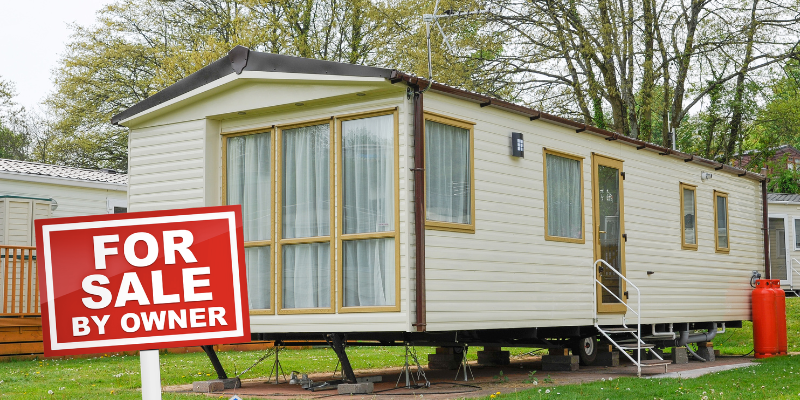
Sixty days from deciding to sell. Many Texas mobile home owners lose that window because they don’t know where to start. Paperwork alone can stop sellers before they ever list the property. Selling a mobile home by owner in Texas isn’t the same as selling a stick-built house, and much of the general real estate advice doesn’t apply. From ownership documents to finding the right buyer, every step can affect how smoothly the sale proceeds. This guide covers the process, costs, and tradeoffs so you can make the best decision for your situation.
Knowing What You’re Working with Before You Sell
A couple called me last summer about a single-wide they’d inherited in Pearland, just south of Houston. Having just moved their mother into an assisted living facility on Wednesday, the Coleman family needed to sell the home before the lot rent started piling up. By Friday, we’d walked the property together. Three years of deferred maintenance, an old truck in the carport nobody wanted, and a clear Statement of Ownership on file with TDHCA. Once we confirmed there were no liens and the taxes were current, the whole thing moved quickly because clean paperwork actually controls the pace of transactions like this. Clean paperwork usually makes it go that way.
Assuming a mobile home sells the same way a site-built home does is the biggest early mistake sellers make. Mobile home transactions in Texas are regulated by the Texas Department of Housing and Community Affairs through its Manufactured Housing Division, which oversees safety standards, consumer protections, and ownership records. Before you price anything or call anyone, pull the ownership record from TDHCA’s manufactured home database and confirm you’re listed as the current owner with no surprise liens.
Cash transactions for manufactured homes in Texas hit 32% of all sales in early 2025, up from 19% just two years prior. This shift matters for sellers: a growing share of buyers aren’t using traditional financing at all, which means fewer transactions die at the loan stage (manufactured home loans fall through more often than site-built).
Ready to sell your manufactured home without the delays of a traditional sale? Contact us today for a cash offer and find out how simple the process can be.
What Makes a Mobile Home Sell Fast in Texas?
Buyers care more about age than sellers expect. Homes built before 1976 don’t meet HUD standards and can’t be financed with any conventional or government-backed loan, which narrows the buyer pool to cash-only buyers. It’s not a dealbreaker, but it’s a fact you need to price around from day one.
Condition of the underbelly and roof drives buyer confidence more than cosmetics. A fresh coat of paint on cabinets doesn’t offset soft floors or a rusted roof. Buyers who know mobile homes look at the structure first and the aesthetics second. I’ve watched sellers invest in interior updates while ignoring a skirting issue (rot spreads quickly underneath), then wonder why buyers walked away.
Counties ringing major Texas metros, including Liberty and Montgomery near Houston, Ellis south of Dallas, Guadalupe along I-35, and Bastrop outside Austin, carry a high concentration of manufactured homes, creating more competition from other listings in those areas. Pricing accurately in those markets is non-negotiable.
Photos taken in daylight, a clean lot, and a working HVAC system are table stakes. Buyers scrolling through listings on their phones will skip past dark interior shots without reading a single word of the description.
Common Situations Texas Mobile Home Sellers Face

Many people sit across from me with a perfectly sellable home and zero idea that they can sell it without an agent. So let me say this plainly: you don’t need a realtor. TDHCA handles the ownership transfer directly, and a private sale is legal, common, and often faster than sellers expect. If you prefer a simpler route, a company that buys mobile homes in Texas can also help homeowners sell quickly without listing, repairs, or waiting months for the right buyer.
The situations I see most often are inherited homes, where a family member has passed and left a trailer no one wants to keep. Right behind that is relocation, someone taking a job in Dallas or San Antonio who needs to close the chapter on a home in a smaller town. Divorce is the third, and splitting assets under a deadline is its own kind of pressure (title companies feel that urgency too).
Financial hardship is real, too. Falling behind on lot rent at a mobile home park in Fort Worth, TX, or facing an eviction notice changes the math fast. Selling before things get worse almost always beats waiting.
Some sellers are simply tired landlords who bought a mobile home as a rental, watched the cash flow dry up, and want out. Your home might still have value. Nothing about the situation makes sense anymore. That’s a legitimate reason to sell, and there’s no shame in moving on.
Documents and Legal Steps You Need to Sell a Mobile Home in Texas
Getting the paperwork wrong doesn’t just delay the sale; it can void the transfer entirely. The Statement of Ownership issued by TDHCA’s Manufactured Housing Division confirms ownership, recorded liens, the home’s location, and whether it is classified as personal or real property. It replaced the former Certificate of Title in Texas. Reviewing this document before a sale helps identify ownership issues before they become closing problems.
Applications for a Statement of Ownership must be filed with TDHCA within 60 days of the sale or relocation. Missing that deadline can result in a $100 late fee and processing delays, while the standard application fee is $55. This document must be updated to reflect the new owner before the transfer is officially recognized.
Before the transfer can be completed, property taxes on the mobile home must be paid in full or prepaid and escrowed. Sellers should obtain Form 1076 from their county tax assessor-collector’s office or request an 18-month tax certification if their county uses a different process. Meeting tax requirements early can help prevent last-minute issues at closing.
A formal bill of sale and proof of ownership are required, such as a bill of sale, agreement, contract, or deed of purchase. If a lienholder is named on the home, the lienholder’s written consent is required to remove the lienholder. To prevent the TDHCA record closures from being pushed back, lien issues need to be resolved before the listing. From the seller’s and buyer’s perspectives, addressing these requirements early helps ensure a smoother transfer process.
How Do You Price a Mobile Home Correctly in Texas?
Pricing well is the fastest path to a closed sale, and getting it wrong by even 10% can cost you weeks or months on the market. New manufactured home prices in Texas have adjusted, with multi-section units averaging around $156,000 and single-section homes near $92,000. Used homes typically sell for less, with single-wides often ranging from $40,000 to $75,000 depending on the county, condition, age, and whether the home sits on land. Double-wides on owned land in growing areas like Conroe or New Braunfels may sell for significantly more.
Location, demand, and the buyer pool in your area can also influence how quickly your manufactured home sells and what price buyers are willing to pay. Use comparable closed sales, not just active listings, when setting your price. Your county appraisal district’s website can provide useful data, and the Texas Real Estate Research Center at Texas A&M publishes updated market information. Listings show what sellers are asking, but closed sales show what buyers actually paid.
Whether the home sits on owned land or a rented lot also makes a major difference. Homes on rented lots typically have limited financing options, making them worth less because buyers can purchase them only with cash or chattel loans. Because of that narrower buyer pool, mobile homes on rented lots often take longer to sell than the statewide average of 67 days a home sits on the market in Texas, especially when there are no comparable homes that have recently sold nearby.
Skip the uncertainty of pricing and waiting for buyers. Jeff Buys Mobile Homes provides fair cash offers for manufactured homes in Texas based on your home’s condition, location, and market value, with no pressure or obligation.
How to Sell a Mobile Home by Owner in Texas
So you’ve got the documents lined up and a realistic price in mind. What does the actual sale process look like? Start by listing on platforms that reach mobile home buyers specifically. MHVillage and Craigslist pull a different audience than Zillow for this property type. Write an honest description that includes the year, section type, square footage, HUD label status, lot ownership situation, and any known repairs. Vague listings generate low-quality inquiries and waste your time.
Respond to serious buyer inquiries quickly. A pattern I see constantly: sellers take two or three days to respond to an interested buyer, and by then the buyer has moved on or gone under contract somewhere else. Speed communicates that you’re a motivated, organized seller.
Once you find a buyer, use a written purchase agreement even if it’s a private sale. One I’d suggest is the Texas Real Estate Commission’s standard forms, which provide a solid starting framework for a private sale. Your agreement should specify the sale price, the lot situation, the personal property conveyed, and the expected closing timeline (vague timelines often lead to real disputes). Spell out who covers the cost to move a mobile home if the buyer plans to relocate it after closing. That single line settles a question worth thousands, and neither side should be guessing about it on moving day.
For the actual transfer of ownership, both parties complete the Application for Statement of Ownership and submit it to the TDHCA. The buyer handles submission in most private sales since they have the most to lose if it doesn’t get filed. Processing a complete application takes up to 15 business days under standard review timelines, so it’s worth submitting everything correctly the first time.
How to Find Serious Cash Buyers for Your Texas Mobile Home
Posting on Facebook Marketplace and waiting for the phone to ring generates a lot of noise and very few qualified buyers. The responses you receive are often from tire-kickers, low-ballers, or buyers who cannot secure financing and are not upfront about it.
Serious cash buyers for manufactured homes in Texas operate differently. They understand the TDHCA process, conduct due diligence before making offers, and avoid financing contingencies that could cause the sale to fall through. Finding these buyers requires being in the right places.
MHVillage is built specifically for manufactured housing and attracts buyers already interested in this property type. Mobile home investor networks in areas like Fort Worth, San Antonio, and Houston suburbs are also active. Local mobile home parks may know buyers looking for units in their communities, making a call to the park manager a potentially faster option than waiting on a general listing.
A direct approach can save time and reduce uncertainty. Contacting a reputable mobile home buyer puts you in front of someone who is ready to move forward, without waiting on pre-approvals or worrying about financing issues late in the process. Before accepting an offer, verify whether the buyer is paying cash or financing and request proof of funds to confirm they can close.
Why Texas Mobile Home Owners Choose Cash Buyers Over Traditional Listings
A traditional listing that falls apart at closing is worse than never listing at all. You’ve spent weeks preparing, taken the home off the market, and now you’re starting over with stale momentum. If you’re looking to sell your mobile home fast in Fort Worth and other Texas cities, avoiding delays and uncertain buyers can make a major difference.
Listing a mobile home with a real estate agent in Texas costs money whether or not the home sells. Sellers typically give up between 6 and 10 percent of the sale price in combined agent commissions, title costs, and concessions. On a $70,000 mobile home, that’s $4,200 to $7,000 out of your pocket in exchange for a process that takes longer and offers no guaranteed outcome, leaving you paying for effort, not results.
Cash buyers skip most of that friction. No appraisal that comes in low, no lender-required repairs, no 30-day financing contingency that stretches into 60. Most cash transactions close within 2 to 3 weeks of filing the TDHCA paperwork. That timeline matters if you’re paying lot rent on an empty home, carrying it through a divorce settlement, or dealing with an inherited property from out of state (especially when you’ve never set foot in Texas).
Raj Hernandez reached out to us on a Thursday morning about a double-wide in Pflugerville, just northeast of Austin. He was wrapping up a divorce and needed to sell the home as part of the asset split. The garage was still full of tools and outdoor equipment that neither wanted to handle. He didn’t have the bandwidth to handle showings or negotiate with buyers. We made an offer based on the property’s condition, handled the TDHCA paperwork, and closed without him being present. Clean and done. That’s the real reason sellers choose cash buyers. It’s not about leaving money on the table; it’s about valuing their time and sanity alongside the sale price.
What Can You Expect After You Accept a Cash Offer in Texas?

Fifteen business days. That’s the standard TDHCA processing window for a complete Statement of Ownership application, allowing a clean cash sale to close inside three weeks from offer to transfer.
After you accept, a reputable cash buyer will conduct a brief property inspection, usually a single walkthrough, to confirm the condition matches what was described. No army of contractors, no repair demands. The inspection is mainly to protect both sides.
You’ll sign a purchase agreement, and the buyer will submit the Application for Statement of Ownership to TDHCA along with the bill of sale, a tax certification from the county assessor, and proof of funds or payment. The TDHCA processes it and mails the Statement of Ownership to the new owner and any lienholder.
Your property taxes need to be current before this moves forward. If there are back taxes or liens, a good buyer is motivated to help you figure out the fastest path to clearing them, since they want the transaction to close as much as you do. Once the Statement of Ownership is issued and recorded, you’re done. No waiting on an MLS to archive a listing, no wondering if the buyer’s loan will fund. The sale is complete.
Selling a mobile home by owner in Texas comes down to preparation, accurate pricing, and understanding the paperwork involved. Taking the time to verify ownership, resolve any issues, gather the required documents, and set realistic expectations can help prevent delays and make the process smoother. Whether you’re selling an inherited home, relocating, or simply ready for a change, knowing the steps ahead of time puts you in a better position to complete the sale successfully. A clear understanding of the process can help you avoid common mistakes and make confident decisions from listing to closing.
Frequently Asked Questions
Can I Sell My Mobile Home Without a Realtor?
Selling a mobile home by owner in Texas is completely legal and very common. You don’t need a licensed real estate agent to complete the sale. The transaction runs through the TDHCA’s Manufactured Housing Division, not through an MLS or brokerage, so you can handle everything directly with your buyer using a bill of sale, a purchase agreement, and the Statement of Ownership application.
What Paperwork Do I Need to Sell My Mobile Home in Texas?
At minimum, you’ll need a bill of sale or purchase agreement, a completed Application for Statement of Ownership filed with the TDHCA, and a tax certification from your county tax assessor-collector confirming property taxes are current. If there’s a lienholder on the home, you’ll also need written consent from that lienholder before the transfer can be approved. Government-issued photo ID for both buyer and seller is standard as well.
Do You Have to Report the Sale of a Mobile Home to the IRS?
Yes, if the mobile home was used as your primary residence and you made a gain on the sale, that gain may qualify for the federal home sale exclusion under IRS rules, up to $250,000 for single filers or $500,000 for married couples filing jointly. If the home was an investment property or rental, capital gains rules apply instead. Consult a tax professional for your specific situation since the classification of the home as personal property or real property in Texas can affect how it’s treated at the federal level.
How Do I Transfer Ownership of a Mobile Home in Texas?
Both buyer and seller complete the Application for Statement of Ownership through the TDHCA Manufactured Housing Division. You’ll submit the application with supporting documents, including a bill of sale and the tax certification from your county. The TDHCA reviews the application and, once approved, mails the new Statement of Ownership to the new owner and any lienholder. Filing within 60 days of the sale date avoids late fees.
If you’re ready to sell or just want to understand your options, reach out to us at (817) 591-4506. Whether your mobile home is old, in need of repairs, or move-in ready, Jeff Buys Mobile Homes can provide a competitive cash offer. No pressure, no obligation. Sometimes just knowing what a fair cash offer looks like helps you decide which direction makes the most sense.
Helpful Texas Blog Articles
- How Long Does It Take To Sell A Mobile Home In Texas
- How to Sell a Mobile Home By Owner in Texas
- Can You Sell a Mobile Home Without a Title in Texas?
- How To Get A Statement Of Ownership For Your Mobile Home In Texas
- Mobile Home Insurance Cost in Texas
- How to Sell a Mobile Home to an Investor
- What Texas Homeowners Actually Pay To Move A Mobile Home
- Can a Mobile Home Park Take Your Mobile Home
- Can You Sell a Mobile Home Without a Serial Number