Selling a mobile home with fire damage in Texas can feel overwhelming, but Jeff Buys Mobile Homes guides you through understanding your options, assessing the damage, and navigating the process confidently.
Understanding Fire Damage in Mobile Homes in Texas
Fire damage is very hard on mobile homes, especially in Texas. Homeowners need to know how the materials and construction processes can affect how well a property stands up to a calamity. There are many things that can start a fire, and knowing what they are is the first step in staying safe and preventing them. It is important to figure out how bad the damage is after a house fire so that you can plan how to fix, sell, or reclaim the property that was damaged. This part goes into more detail about these things and gives you tips on how to deal with the complicated world of house fires in Texas.
Common Causes of Fire Damage in Texas
Texas homes are fire-damaged due to environmental and human factors. Wiring errors and overloaded circuits cause electrical fires. Many mobile homes have antiquated electrical systems, making them potentially dangerous. Fires can start in Texas’s powerful lightning storms, which can hit homes or parched vegetation. These natural factors and severe temperatures increase fire damage.
Kitchen fires are common and disruptive. Unattended cooking causes grease or microwavable messes to quickly ignite. Many Texas homeowners grill, but incorrect barbecue equipment handling can start fires. Heating systems that fail in cooler months can cause catastrophic damage. An accidental fire from adjoining homes can spread quickly in densely populated areas.
Homeowners really do need to know about these risks and how to avoid them. Taking care of your equipment, cooking carefully, and cleaning your home properly can all help lower the risk of fire. It is very important to know and deal with the main causes of fire-damaged homes in Texas in order to keep people and communities safe.
Assessing the Extent of Damage in Your Home in Texas
A certified adjuster can assess a home to determine its fire damage. Visible damage from a house fire may mask hidden difficulties with underlying structures, electrical systems, and plumbing. If ignored, these concealed issues might make selling a fire-damaged mobile home difficult.
Starting with structural integrity, check the property’s frame and foundation for damage. Another important phase is electrical system inspection. Even minor fire damage might compromise wiring, posing safety risks. Smoke damage, which may appear minor, can penetrate insulation and harm interior surfaces like walls and ceilings, increasing repair costs.
Beyond structural considerations, home contents must be assessed. Furniture, fabrics, and personal belongings may be damaged, affecting insurance claims and replacements. To get fair insurance compensation, document this damage carefully. Understanding the complete picture helps homeowners decide whether to restore or sell their houses. Insurance may pay some of these expenditures.
Finally, the fire-damaged property needs a thorough audit. This helpful technique helps determine repair expenses and set a fair price for selling the home. Thorough assessments lay the groundwork for repairs, improvements, or selling the house as-is. Effective evaluation helps homeowners manage this difficult adjustment.
Thinking about selling fire-damaged property? Get a fair cash offer and sell your mobile home for cash in Texas easily.
Initial Steps After Fire Damage in Texas
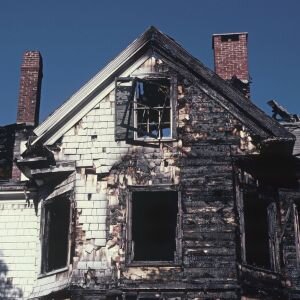
If your mobile home catches fire, you need to take the necessary steps right away to take care of your property, especially in Texas. It’s important to look at all the damage, determine what your insurance covers, and look into your financial possibilities as part of the rehabilitation process. These steps will provide you with a full view of your current position and help you make smart choices about whether to sell or fix your fire-damaged home. Taking these actions straight away can help you make the changes you need to make, whether you want to fix up your home or find new ownership options.
Evaluating the House with Fire Damage in Texas
Assessing your home after a fire is crucial. First, analyze visible and hidden damage. Your home may have burned walls or a leaking roof. The risks may be larger below the surface. Checking the property’s foundation or frame is vital for structural integrity. A fire-damaged home inspector or adjuster meticulously inspects all areas, including subfloors and internal support beams.
Beyond structural issues, consider smoke and water damage. Smoke permeates walls, ceilings, and HVAC systems, leaving odors and health risks. If unchecked, fire extinguisher water may have soaked insulation and drywall, causing mold. Each of these criteria affects repair costs and house saleability.
Your home’s current value, insurance coverage, and legal compensation can benefit from thoroughly documenting every concern. Knowing the entire extent of damage helps you plan for insurance claims, estimate repair costs, and sell the property. Whole-home evaluations highlight what you can fix yourself and what needs professional help for safety. A thorough appraisal determines whether to sell the home ‘as-is’ or make selective modifications to improve marketability.
Always remember that a thorough review is the foundation for a successful recovery or sales strategy.
Understanding Insurance and Financial Options
Fire damage requires repairs and knowledge of insurance and financial choices. To reduce damage expenses, insurance is crucial. Read your homeowner’s insurance policy carefully. Fire damage is covered by most policies; however, structure repairs and personal item replacement differ. Engaging with your insurer immediately after the disaster maximizes policy benefits. To negotiate better, file a complete claim with damage reports and evaluations.
Financial planning is as important as insurance. After significant disasters, federal, state, and local disaster relief monies may be available. Knowing your policy will help you decide. This cash can allow you to repair your property or maintain your finances until insurance arrives. Homeowners may qualify for low-interest catastrophe recovery loans, making repair or selling easier. These alternatives aid financial planning for individuals considering selling rather than renovating the home.
If insurance doesn’t cover everything, selling the house as-is to an investor may reduce repair urgency. Finally, knowing how insurance and financial help relate to you is crucial. With this information, you may decide whether to rebuild or sell to get through this difficult period. Education ensures you’ll make decisions that meet your present and long-term demands. Starting recovery with these essentials sets a solid financial foundation for any path.
Selling your fire-damaged mobile home? At Jeff Buys Mobile Homes, we buy mobile homes in Fort Worth and nearby cities quickly, simply, and hassle-free.
Selling Options for Fire-Damaged Mobile Homes in Texas

Several choices need to be carefully thought through in order to find the best way to sell a mobile home that has been damaged by fire. People in Texas who want to sell their home must decide whether to sell it as-is or make fixes that will make it more marketable. Each option has its own financial effects and time frames for a good sale. Homeowners can make choices that are best for them based on these options and knowledge of the local market. This will help them get the best price for their property, no matter what condition it is in.
Benefits of Selling a House As-Is in Texas
As-is sales of fire-damaged homes benefit homeowners seeking a rapid transition. This method helps close sales faster. When selling a house as-is, you target cash buyers and real estate investors who want to acquire quickly. For homeowners experiencing acute issues like financial problems or relocation, this may be enticing. Cash offers speed up the selling process, negating traditional real estate deals’ delays.
Homeowners save money by selling as-is. Restoring a fire-damaged mobile home is expensive and time-consuming, with no guarantee of resale value. By selling as-is, homeowners avoid the cost of repairs, allowing buyers to renovate for themselves. This approach attracts property investors who are willing to acquire the house as-is since they know it could yield rewards.
This selling strategy decreases repair stress and complexity, especially with substantial fire damage. The emotional relief allows homeowners to move forward without dwelling on the costly property restoration efforts. Due to its upfront condition, selling a house as-is simplifies legal and disclosure formalities. Many purchasers seeking chances in the tough but rewarding world of repairing and reselling damaged properties choose this simple transaction.
Considering the Sale of a Texas Property
Understanding Texas’s real estate market and regulatory procedures is essential when selling a fire-damaged property. Selling a fire-damaged home in Texas requires a strategic approach because property values and buyer interest vary by area. First, homeowners should assess market circumstances, especially local comparable sales. This information helps set a realistic price for the damaged house, considering its current status and prospective resale value following repairs.
Also crucial is understanding legal obligations. Texas sellers must disclose flaws, including fire damage, to buyers. Disclosure of the damage’s amount and nature protects homeowners against potential liability and helps buyers understand the property’s condition, which can speed up discussions and sales.
Homeowners may also engage fire-damaged property buyers. These investors usually have refurbishment experience, making them good candidates for a speedy and reasonable deal. A cash offer may also be helpful, allowing you to sell without lender approvals or assessments. Direct cash transactions can benefit customers who need instant financial relief or want to avoid traditional sales stress.
Selling a fire-damaged home in Texas requires knowledge of the local market, regulatory requirements, and the homeowner’s situation. This aligns selling efforts with market realities and the seller’s immediate needs, enabling a strategic recovery from fire damage.
Selling your fire-damaged mobile home? We make it quick, easy, and fair. Contact Us at Jeff Buys Mobile Homes.
Legal and Disclosure Requirements in Selling Fire-Damaged Homes in Texas

When selling a fire-damaged house in Texas, understanding the legal and disclosure requirements is essential. The regulations in the state establish clear obligations for sellers, promoting openness and equity in the transfer of properties. The property disclosure process plays a vital role here, as it mandates that sellers reveal any known fire damage. Adhering to Texas property law, which mandates thorough disclosure, safeguards sellers from legal repercussions and informs buyers about the condition of the home. This section explores these regulations, emphasizing the importance of thorough documentation and property disclosure for achieving successful transactions involving damaged properties.
The Importance of Property Disclosure in Texas
Disclosure is crucial when selling a fire-damaged home. Texas property law requires sellers to report fire damage during the sale. This criterion covers apparent problems and underlying flaws that may impair the home’s structural integrity or value. To accurately record and explain disclosures to buyers, documentation is essential.
Sellers avoid legal issues by giving a complete property disclosure, as Texas real estate transactions need transparency. In Texas, concealed fire damage can result in litigation and financial penalties for homeowners. Sellers protect themselves by detailing fire damage. Buyers can make informed fire-damaged house purchases with detailed documentation. It also helps negotiations by setting reasonable property condition expectations.
Proper property disclosure is also ethical, building confidence between sellers and purchasers. Buyers trust the seller’s honesty and transparency, which may increase offers and speed up the sale. Thus, following Texas law’s disclosure requirements fulfills a legal obligation and boosts the property’s market value. Learning about disclosure processes can help sell a fire-damaged house faster and better, protecting both parties.
Attracting Buyers with Cash Offers in Texas
Cash offers could accelerate the sale of mobile homes affected by fire damage. Buyers of investment properties prefer these options as they allow for quicker closings and fewer obstacles compared to conventional financing methods. Cash offers bypass appraisals and lender approvals, making them appealing to both sellers and buyers looking for swift closings. In Texas, where market conditions can shift rapidly, presenting your home to cash buyers can accelerate the selling process.
Understanding cash offers’ psychological attractiveness for homebuyers is key. Cash buyers can save on closing fees and interest rates, making a damaged home more financially viable. Receiving cash allows sellers to skip standard sale requirements like repairs and staging, saving time and money. Cash offers can attract astute purchasers interested in refurbishment and speedy resales in the competitive property market, benefiting both parties financially.
A fire-damaged home can be sold as-is to cash purchasers, eliminating the need for discussions. Despite fire damage, this strategy attracts a specialized market of real estate investors who see promise. You’re targeting homebuyers who want quick, simple transactions by openly accepting cash offers. This method can benefit both buyers and sellers by expediting property sales.
Ready to sell your mobile home? Avoid repair costs and sell quickly. Jeff Buys Mobile Homes offers fair cash and handles the process for you. Call (817) 591-4506 today for your no-obligation offer.
FAQs:
What Are the Initial Steps to Take When Selling a Fire-Damaged Mobile Home in Texas?
A competent assessment should examine visible and hidden damage. Insurance and financial aid might help manage repair costs. Considering these factors is essential when repairing or selling your home.
What Selling Options Are Available for a Fire-Damaged Mobile Home?
The property can be sold as-is to investors and cash purchasers or repaired to improve marketability. As-is offers lower repair costs and attracts investment purchasers.
How Important is Property Disclosure When Selling a Fire-Damaged Home in Texas?
Vendors are mandated by Texas law to disclose any damage, including fire damage. With appropriate documentation, sellers mitigate legal liability and foster customer confidence, thereby simplifying sales negotiations.
Why Consider Cash Offers When Selling a Fire-Damaged Mobile Home?
Since cash offers eliminate evaluations and lender clearances, they appeal to sellers who require quick sales. Texas’s fast-moving real estate market makes this choice tempting.
What Factors Should Be Considered for Setting a Competitive Price in Texas’s Market?
Comparing local property sales and market circumstances is crucial. Combined with legal duties and property condition, this information helps set a fair price for your fire-damaged mobile home.
Helpful Texas Blog Articles
- Documents Required to Sell a Mobile Home in Texas
- Is an Attorney Needed to Complete a Mobile Home Sale in Texas?
- Selling An Inherited Mobile Home In Texas
- Selling Your Texas Mobile Home Without Land
- Sell a Mobile Home in a Flood Zone in Texas
- Selling a Mobile Home on Private Property in Texas
- Selling a Mobile Home on Leased Land in Texas
- Selling a Mobile Home With Fire Damage in Texas